Fragrance layering means wearing two complementary scents together — or a scented body product under a fragrance — to build a combination that's more personal than either one alone, and the easiest way to start is by layering within the same fragrance family.
Why layer at all
Once you own more than one bottle, layering lets you adjust a scent's mood without buying something new — warming up a fresh scent for evening, or lightening a heavy one for daytime. It's less about creating something totally new and more about fine-tuning what you already own, and it's a genuinely useful skill once you've built even a small fragrance collection through a discovery set or a couple of full bottles.
The beginner-safe way to start
Start with two scents from the same or adjacent fragrance families rather than opposites — pairing something sweet with something else sweet-adjacent is far more forgiving than pairing sweet with smoky on your first attempt. Apply the heavier, more dominant scent first, closer to the skin, then the lighter one on top or on a different pulse point. This order matters: applying the lighter scent first often means it gets overwhelmed and lost under the heavier one.
A pairing example
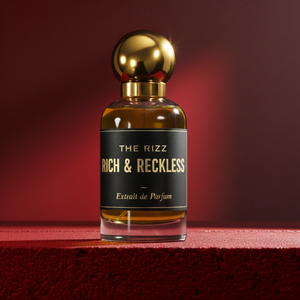
A warm, vanilla-forward scent like Whipped Vanilla layers naturally under something spicier and more grounded like Rich & Reckless — the vanilla adds warmth and softness underneath, without fighting the top notes. If you're newer to layering, that kind of same-mood pairing is a much safer starting point than combining two very different scent families.
Layering with non-fragrance products
You don't need two perfumes to layer — a scented (or unscented) body lotion applied before your fragrance acts as a base layer, giving the scent more surface area to cling to and often extending wear time as a side effect. This is actually one of the lowest-risk ways to start experimenting with layering, since there's no risk of two fragrances clashing.
Keeping a simple layering log
Once you start experimenting, it's easy to forget which combinations actually worked once a few weeks have passed. Keeping a short, informal note of pairings you've tried — and how they developed over a full day, not just the first impression — makes it much easier to repeat a pairing you liked instead of trying to recreate it from memory.
Layering across concentrations
Layering a full-concentration Extrait with a lighter EDT from a different line rarely works as intended — the stronger formula tends to dominate completely within the first hour, leaving little trace of the lighter scent by the time it would normally start to show. Pairing products of similar concentration gives both a genuine chance to contribute to the final result rather than one simply overpowering the other.
Seasonal layering adjustments
A pairing that feels balanced in cooler weather can skew heavily toward whichever scent projects more once heat amplifies both — worth retesting a favorite combination each time the season changes rather than assuming it will perform identically year-round. In peak heat, leaning toward the lighter of the two scents as the dominant layer, rather than the heavier one, often keeps a pairing from feeling overwhelming.
Layering as a way to extend a small collection
If you've started with a discovery set rather than full bottles, layering is also a practical way to get more mileage out of a small collection — effectively creating several distinct combinations out of a handful of 6ml samples, rather than needing a full shelf of bottles to have variety in how you smell day to day.
What to avoid early on
Don't layer more than two scents until you're confident reading how each one develops individually — three or more competing fragrances usually just creates noise rather than depth. And always test a new pairing on skin for a few hours before wearing it out; a combination that smells good in the first five minutes can shift unpredictably by hour three, once the top notes fade and the base notes of both scents start to interact.
Not sure which of your scents pair well together? Start by reading where to actually spray perfume so your base application is right first, and see how weather and skin type change how perfume wears before layering for a specific season.
Quick answer
Start simple: two scents from similar families and similar concentration, heavier one first, tested on skin for a few hours before you commit. Layering rewards restraint and a little note-taking, not more bottles bought at once.