EDT, EDP, and Extrait de Parfum are all the same fragrance oil diluted in alcohol at different strengths — the letters tell you how much oil is actually in the bottle, and that's the single biggest factor in how long a scent lasts on skin.
The actual breakdown
Eau de Toilette (EDT) sits at roughly 5–15% fragrance oil. It's the lightest, cheapest tier to produce, and it's what most budget and mass-market brands sell by default — which is also why so many people assume perfume is just supposed to fade by lunch. Eau de Parfum (EDP) steps up to about 15–20% oil, noticeably stronger and longer-wearing, and is the tier most "premium" mainstream brands top out at. Extrait de Parfum — sometimes labelled Parfum or Pure Perfume — is the highest commercial tier, typically 25–30% oil or more. It's the concentration used by old-world niche and luxury houses, and it's the only tier built to genuinely last 9–12 hours without reapplication.
Why the concentration matters more than the brand name
A cheap EDT and an expensive EDT will both fade in 2–4 hours, because the ceiling is set by the dilution, not the price tag or the label. This is the part most shoppers never get told: two bottles can smell identical off the shelf and perform completely differently on skin, purely because one is diluted three times more than the other. A brand's reputation tells you nothing about which tier you're holding — the only way to know for certain is to check the actual concentration printed on the box, not the marketing copy around it.
Where the confusion actually comes from
Part of the problem is labelling inconsistency across the industry. Some brands print the concentration clearly; others bury it, or use vague language like "long-lasting" or "intense" without a number behind it. Cologne, as a term, technically refers to an even lighter historical dilution (2–5%) but gets used loosely as a catch-all word for "men's fragrance" regardless of actual strength — which only adds to the confusion when you're trying to compare two products. The only reliable signal is the specific term on the label: Cologne, EDT, EDP, or Extrait/Parfum, in that ascending order of concentration.
A short history of why these tiers exist at all
The EDT/EDP/Extrait hierarchy wasn't invented as a marketing ladder — it grew out of how perfume was originally sold. Historically, pure perfume oil (Extrait) was the original format, expensive and used sparingly. As fragrance became a mass-market product in the 20th century, brands diluted it further to hit lower price points and reach more customers, which is how EDT and EDP came to exist as separate, cheaper categories rather than a single product sold at different sizes. Understanding this history helps explain why Extrait still reads as the "premium, original" format even today — it essentially is.
How this affects what you're actually paying for
Fragrance oil is by far the most expensive ingredient in any bottle; the alcohol and water that make up the rest of the formula are cheap by comparison. A bottle with a higher oil percentage genuinely costs more to produce — which is a real, measurable reason Extrait de Parfum tends to cost more than an EDT of the same size, not purely a pricing strategy or brand markup. Understanding this also explains why a smaller Extrait bottle can outlast a larger EDT bottle in practice: you're using less product per wear because each spray carries more actual fragrance.
A quick way to check what you already own
Look at the front or back of any bottle you already own — the concentration term is usually printed near the fragrance name or on the back label near the ingredients. If you can't find it at all, that's often itself a signal: brands confident in a high concentration tend to print it prominently, since it's a genuine selling point, not something to downplay.
Where The Rizz Club sits
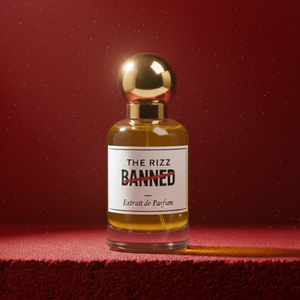
Every scent we make — Banned, Lost Nights, Oud Supreme and the rest of the lineup — is built at 25–30% Extrait de Parfum concentration. That's a deliberate choice, not a marketing line: it's the same tier used by the fragrance world's most premium houses, and it's why our bottles are built to last from morning meetings into the night out that follows, not just the walk from your desk to the elevator.
If you're not sure which strength you're currently wearing, check the label — if it doesn't say Extrait or Parfum, it's an EDT or EDP, and the fade-by-lunch problem isn't your skin's fault. It's the dilution's. Read more on why most perfumes fade by lunch, or jump straight to the Discovery Set to try all 8 of our Extrait-strength scents before committing to a full bottle.
Quick answer
If you want a fragrance that survives a full day without a touch-up, look for "Extrait de Parfum" or "Parfum" on the label — not EDT, not EDP, and not just "long-lasting" in the marketing copy. The letters aren't decoration. They're the actual formula, and they're the only number that tells you the truth about how a bottle will perform.