A well-made Extrait de Parfum should last 9–12 hours on skin without reapplication. An EDP typically runs 5–8 hours, and an EDT usually fades within 2–4 hours — the honest range depends almost entirely on concentration, not brand prestige.
The honest numbers, by concentration
Eau de Toilette (5–15% oil): 2–4 hours of real projection before it fades to a faint skin scent. Eau de Parfum (15–20% oil): 5–8 hours, the most common range for mainstream "premium" bottles. Extrait de Parfum (25–30%+ oil): 9–12 hours, sometimes stretching into the next day as a skin scent. These are averages from how the concentration tiers are formulated, not promises — skin type, weather, and how a scent is applied all shift the number slightly in either direction.
What actually shortens wear time, even at high concentration
Dry skin holds fragrance worse than well-moisturized skin, since there's less natural oil for the scent molecules to bind to. Very hot, humid weather speeds up evaporation. And spraying onto clothing instead of skin changes the whole performance — fabric holds fragrance differently than skin does, usually longer but with less warmth and depth. Even a genuine 25–30% Extrait can underperform its own average if it's applied to already-dry skin in peak heat with no preparation beforehand.
What extends wear time beyond the average
Moisturizing pulse points before spraying gives fragrance molecules something to hold onto, which can meaningfully stretch even an EDT's performance closer to the top of its range. Layering a scented body product underneath a fragrance — building a base layer before the spray itself — has a similar effect, since it adds another surface for the scent to cling to over the course of the day.
Why "lasting" isn't always the same as "detectable by you"
There's an important distinction between a fragrance fading and a fragrance still being there but no longer noticeable to the wearer. Noses adapt to a scent they've been wearing for hours — a phenomenon called olfactory fatigue — which means you may stop smelling your own perfume well before someone standing near you does. This is worth knowing before assuming a scent has "worn off" by evening; a quick check with someone else, or simply trusting the hour count rather than your own nose, is more reliable.
Note families affect how longevity feels, not just how long it is
Lighter note families — citrus, light florals — tend to feel like they've faded sooner than heavier families even at the same concentration, since their top notes are what's most noticeable and those burn off first. Heavier families — vanilla, oud, amber, musk — hold a perceptible presence longer at the same concentration, because their defining notes sit in the base rather than the top. This means two Extraits from different families can feel like they wear differently even though the underlying oil percentage is identical.
Storage affects longevity too, before a bottle is even opened
A fragrance stored in heat, direct sunlight, or a humid bathroom degrades faster than one kept in a cool, dark place — and a degraded fragrance oil won't perform to its original longevity regardless of concentration. If a bottle you've owned for a while seems to be wearing shorter than it used to, storage conditions are worth ruling out before assuming the formula itself has changed. A cool drawer or closet, away from a sunlit windowsill or a steamy bathroom shelf, is a simple change that protects the investment in a higher-concentration bottle.
Why testing longevity at home beats trusting a store spray
A fragrance tested briefly in a store, often on a paper strip or a quick wrist spray among dozens of other competing scents in the air, tells you very little about its real wear time. The only reliable way to judge longevity is a full, uninterrupted day at home or at work, starting with a clean application and no other fragrance tested alongside it — store conditions are simply too noisy an environment to judge an 8-to-12-hour claim accurately.
Setting realistic expectations
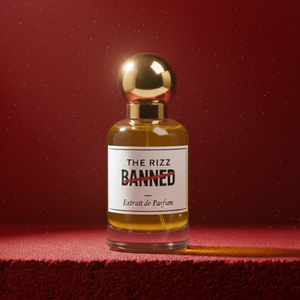
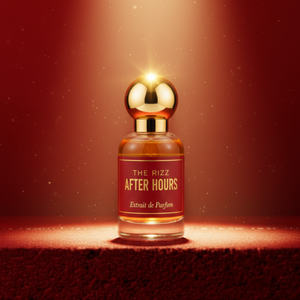
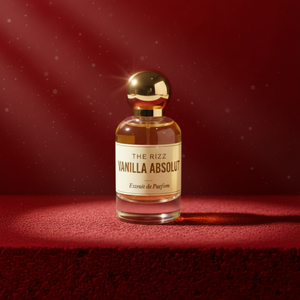
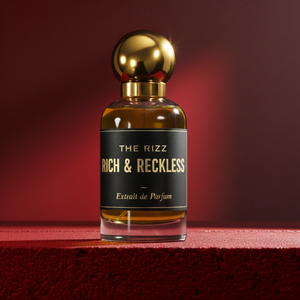
If a bottle promises "all-day wear" but doesn't state its concentration, be skeptical — that claim only holds up at Extrait strength. This is exactly why we list 25–30% Extrait de Parfum on every product page rather than a vague "long-lasting" claim: it's a specific, checkable number, not a marketing adjective. A brand that's confident in its formula states the concentration; one that isn't tends to hide behind adjectives instead.
How to read a longevity claim on any bottle
Before trusting an "all-day" claim on any fragrance, check for the actual concentration term on the label — Extrait, Parfum, EDP, or EDT. If it's missing entirely, treat the claim with the same skepticism you'd apply to any unverified number, and test it yourself with the single-spray, no-reapplication method described above.
Want the full breakdown of what those percentages actually mean? Read EDT vs EDP vs Extrait. Or if you want to test real 9–12 hour wear across multiple scents before choosing one, the Discovery Set gives you all 8 at the exact same Extrait strength as the full-size bottles — including Lost Nights and Whipped Vanilla.
Quick answer
Extrait de Parfum: expect 9–12 hours. EDP: 5–8 hours. EDT: 2–4 hours. If the label doesn't say which one you're holding, the wear time is the fastest way to find out — spray once in the morning and see what's left by evening.