Comparing EDT, EDP and Extrait de Parfum side by side on the same skin, over a full day, the difference isn't subtle — concentration changes wear time, projection, and how a scent actually develops from the first spray to the eighth hour.
The comparison, hour by hour
By hour 2, an EDT has usually faded to a faint trace, an EDP is still clearly present, and an Extrait is still projecting close to full strength. By hour 6, the EDT is essentially gone, the EDP has softened to a close skin scent, and the Extrait is still noticeable to anyone standing near you. By hour 10, only the Extrait is typically still detectable at all — which is the entire reason 25–30% concentration is the tier built for genuine all-day-into-night wear.
How the dry-down differs across tiers
The dry-down — the fragrance's character once the top notes have burned off — is where concentration differences become most obvious. An EDT often doesn't have much of a dry-down at all; it fades before reaching that stage. An Extrait, by contrast, has enough oil remaining hours in that its base notes — the woods, musks, and ambers that give a fragrance its real depth — get a genuine chance to develop, which is often the part people end up loving most once they've experienced it.
Why the price difference isn't just brand markup
Fragrance oil is the most expensive ingredient in any bottle — alcohol and water, which make up the rest of the formula, are cheap. An Extrait de Parfum literally contains more of the expensive part, which is a real, measurable reason it costs more to produce than an EDT of the same size, not purely a pricing strategy. This also means a smaller Extrait bottle can be more cost-effective over time than a larger EDT, since fewer sprays are needed per wear and fewer wears are needed per bottle.
Which one is actually worth it
If you reapply throughout the day anyway, an EDT can work fine and costs less upfront. But if you want to spray once in the morning and not think about it again, Extrait is the only tier built for that — an EDT literally cannot deliver 10-hour wear regardless of how well it's made, because the ceiling is set by the dilution, not the formulation skill behind it.
How we actually ran this comparison
Testing was done the same way we'd recommend anyone test it themselves: one spray pattern (pulse points only), applied at the same time of day, with no reapplication, and checked at set intervals rather than relying on memory of how strong something "felt" earlier. This is also exactly the test described in our longevity guide — the same method anyone can run on their own bottles at home.
A note on sillage versus longevity
These are two related but distinct measurements, worth separating. Longevity is how long a scent remains detectable at all, usually on the wearer's own skin close-up. Sillage is how far a scent projects outward and how noticeable it is to people nearby. Extrait concentration generally wins on both, but it's possible for a lighter EDP to have strong initial sillage that fades fast, versus an Extrait with a steadier, longer-lived trail — which is part of why a side-by-side comparison on the same skin is more useful than reading either spec in isolation.
Why this matters beyond just picking a bottle
Understanding the concentration tiers changes how you shop generally, not just for one purchase — once you can read a label for EDT/EDP/Extrait instead of trusting "long-lasting" marketing copy, you're equipped to evaluate any fragrance brand's claims, not only the ones covered in this comparison. That's arguably more useful long-term than any single product recommendation.
What this test can't tell you
This comparison covers wear time and projection, not personal preference — a lighter EDT in a scent family you love will always beat a longer-lasting Extrait in a family you don't. Concentration determines how long and how strongly a fragrance performs; it doesn't determine whether you'll actually like it. That's still worth testing on its own terms.
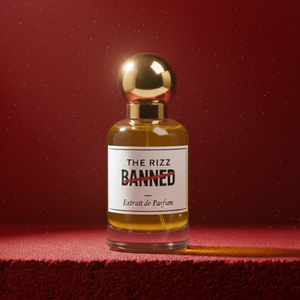
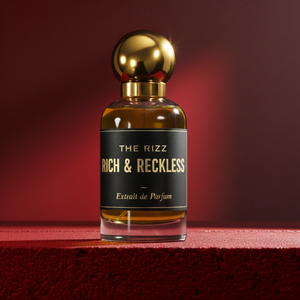
Every scent across our lineup — Banned, Lost Nights, Oud Supreme, Whipped Vanilla, Frostbite, Rich & Reckless, Dirty Mango and Drunken Jazz — is built at 25–30% Extrait specifically so this comparison isn't theoretical for us. Read the full breakdown in EDT vs EDP vs Extrait, or test the difference yourself with the Discovery Set.
Quick answer
Extrait de Parfum wins on wear time, projection, and dry-down depth at every hour mark past the first two — the cost difference reflects the actual amount of fragrance oil in the bottle, not just the label.